vsnlogistics.com

International Freight Guides by VSN Logistics

Sea Freight

Introduction

International freight shipping involves much more than transporting cargo from one country to another. Choosing the right shipping method, understanding freight costs, preparing documents, selecting the correct container, and planning customs clearance all play an important role in a successful shipment. Whether you are importing your first shipment or managing regular international trade, our Freight Guides are designed to explain every stage of the shipping process in simple language. Our goal is to help businesses make informed shipping decisions with confidence.

Reliable Sea Freight for International Shipments

Sea freight is one of the most economical ways to transport goods internationally, particularly for medium and large shipments. Whether you are importing a small commercial shipment or moving a full container, choosing the right sea freight option can significantly affect your cost, transit time and overall landed cost. At VSN Logistics, we help importers understand their sea freight requirements before they book a shipment.

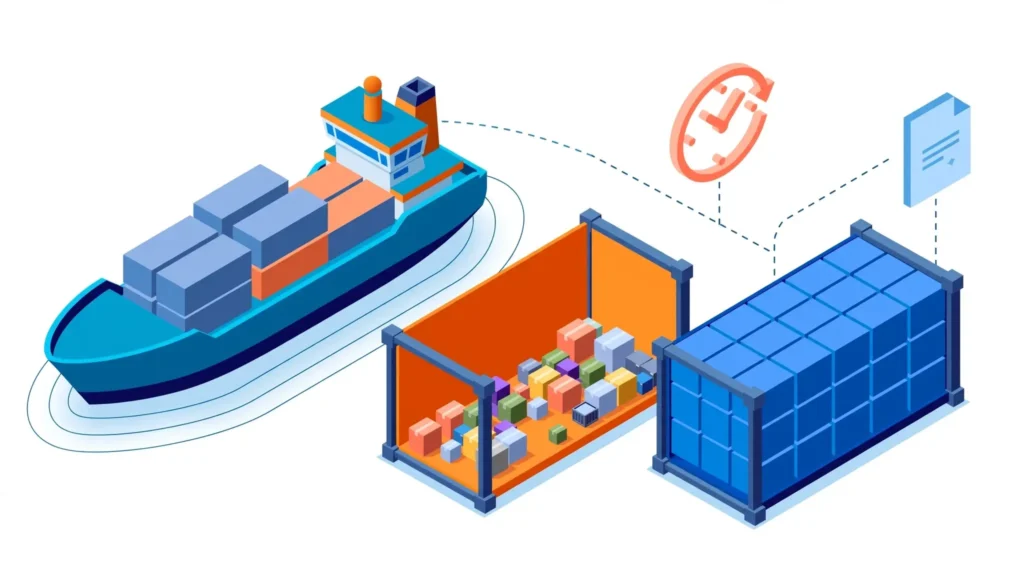
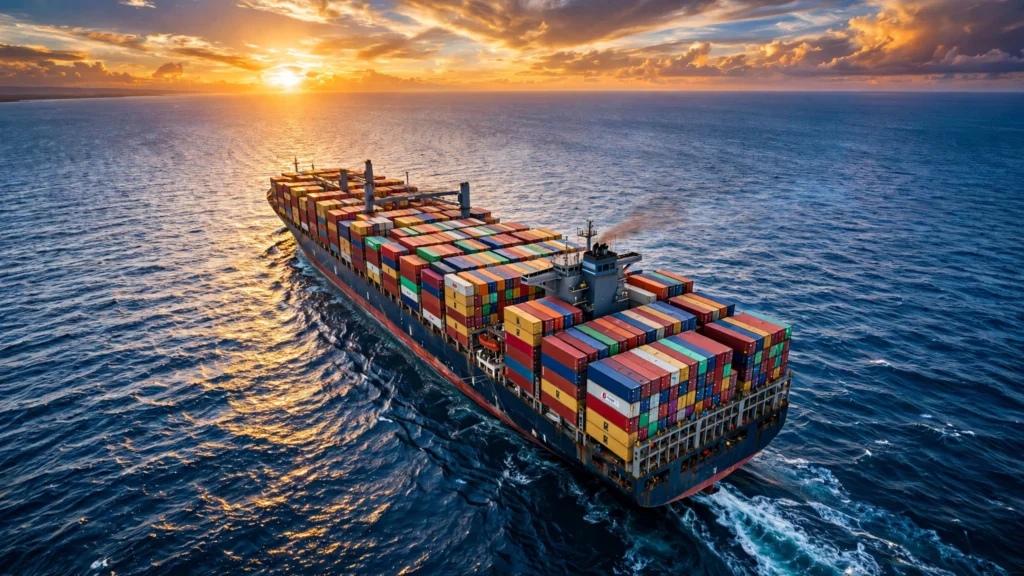
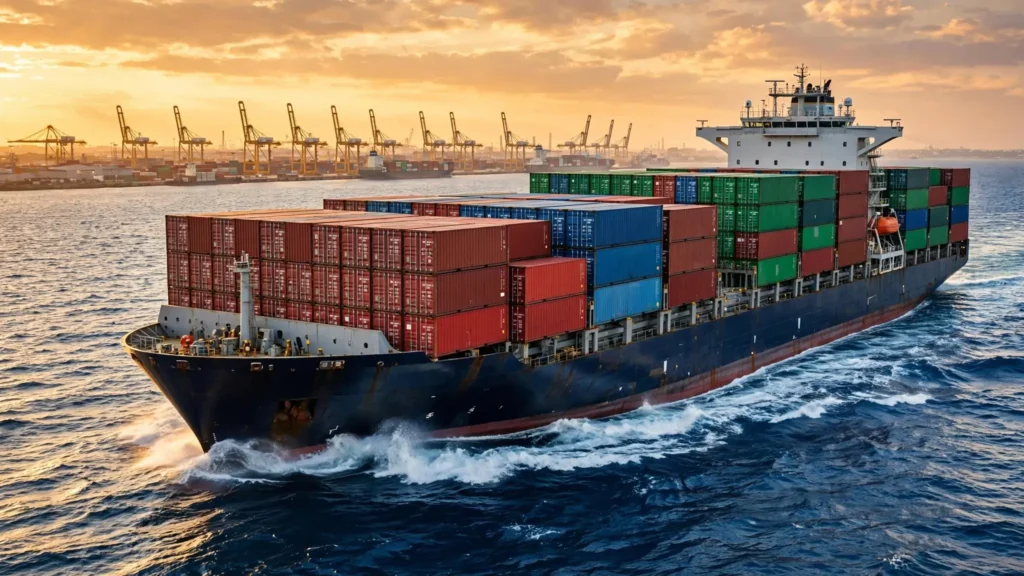
Sea freight shipping container vessel transporting international cargo
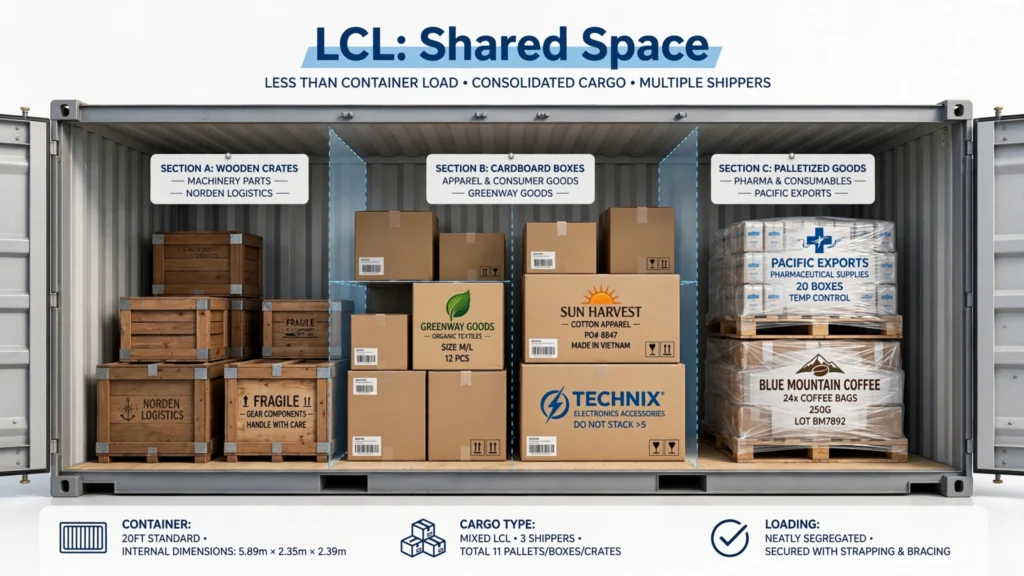
LCL and FCL container shipping for global import and export logistics
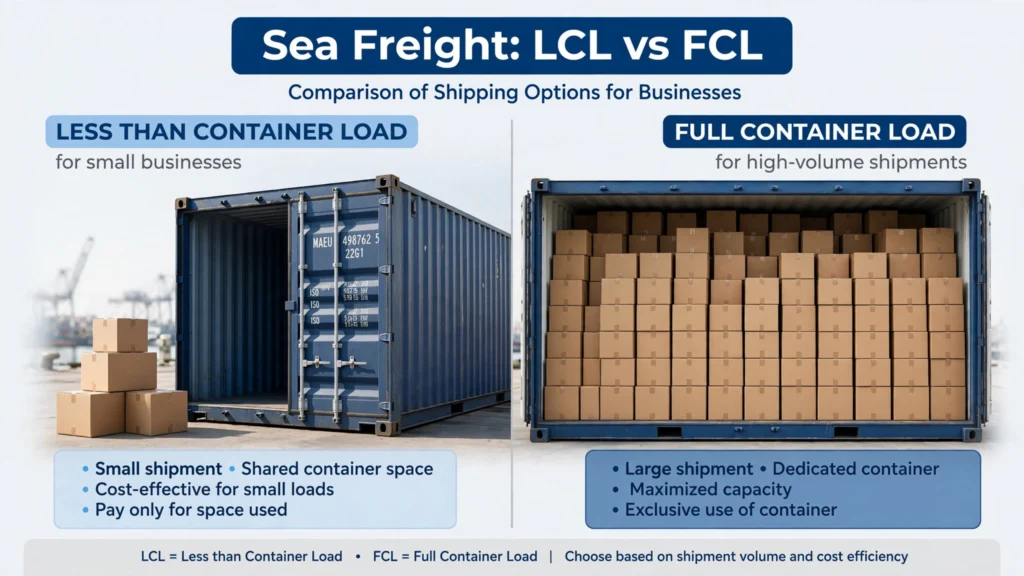
Lose Container Load and Full Container Load container shipping for global import and export logistics
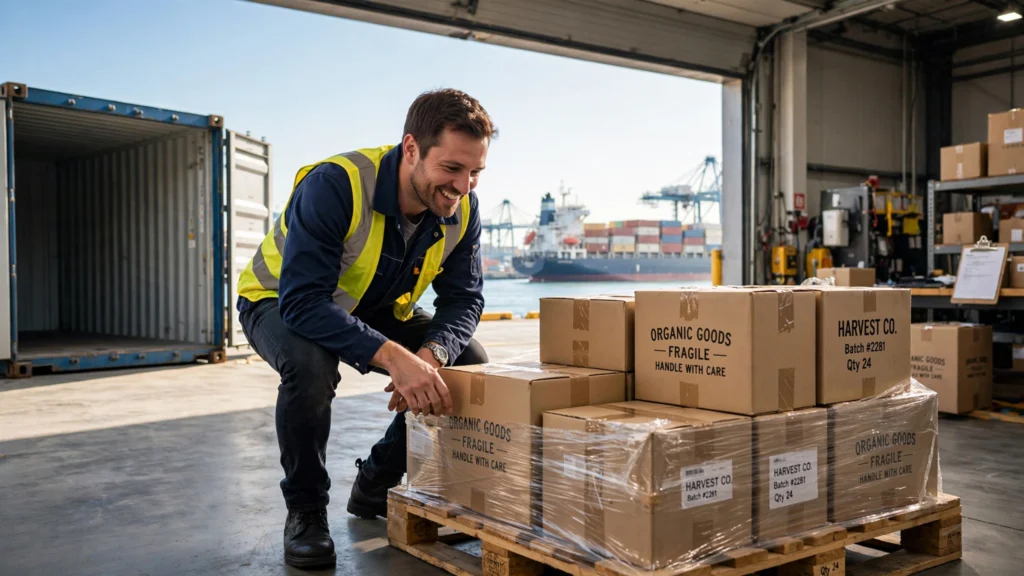
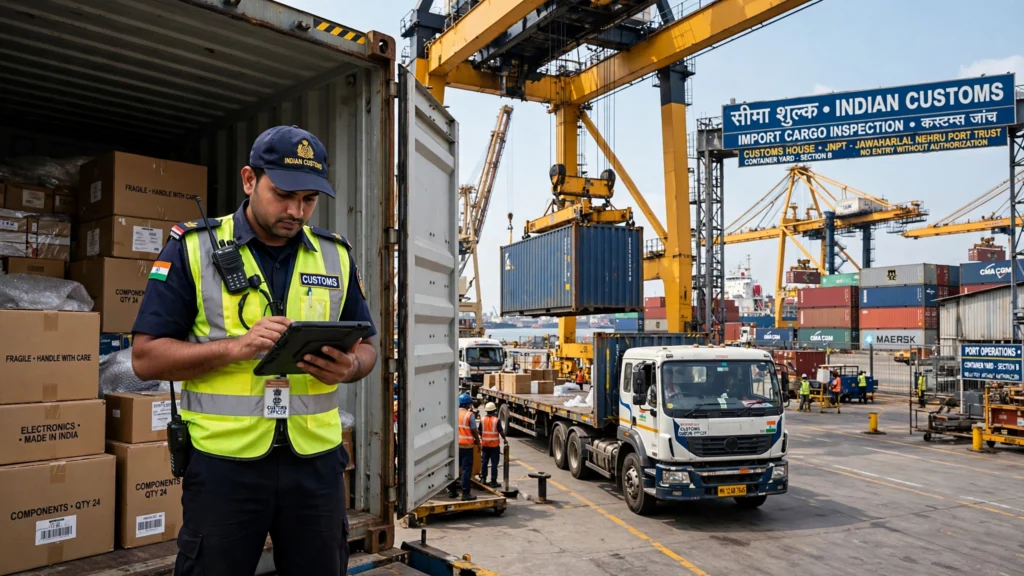
International sea freight logistics with container loading at a commercial port

LCL or FCL: Which One Is Right for You?

International sea freight is generally divided into two major shipment types:

LCL (Less than Container Load)

LCL is suitable when your cargo does not require a complete shipping container. Your cargo shares container space with shipments belonging to other importers.

Suitable for:

  • Smaller shipments
  • First-time importers
  • Lower-volume cargo
  • Shipments where a full container is not economical

FCL (Full Container Load)

FCL is used when your shipment occupies an entire container. You book the container for your cargo rather than sharing the container space with other shipments.

Suitable for:

  • Larger shipments
  • High-volume cargo
  • Cargo requiring dedicated container space
  • Importers shipping regularly

The Shared Container Concept (LCL Focus)
The Side-by-Side Comparison (LCL vs. FCL)
The Target User (The Small Business Importer)

LCL vs FCL

Factor LCL FCL
Container Shared Dedicated
Suitable for Smaller shipments Larger shipments
Pricing basis Usually volume/CBM + charges Container-based
Cargo handling More consolidation/deconsolidation Generally fewer consolidation points
Best for Lower-volume cargo Higher-volume cargo

Not sure which option suits your shipment? Use our CBM Calculator or contact VSN Logistics.

How Sea Freight Works

The sea freight process typically involves several stages:

  1. Cargo & shipment details
  2. Product, quantity, weight, dimensions and origin/destination are determined.

  3. Freight planning
  4. The appropriate LCL or FCL option is evaluated.

  5. Freight quotation
  6. Ocean freight and applicable origin/destination charges are considered.

  7. Booking
  8. The shipment is booked with the relevant carrier/consolidator.

  9. Cargo movement
  10. The shipment is booked with the relevant carrier/consolidator.

  11. Export documentation & customs
  12. Required documentation and export procedures are completed.

  13. Ocean transportation
  14. The cargo moves by sea to the destination port.

  15. Import customs clearance
  16. The shipment goes through Indian customs clearance.

  17. Destination handling & delivery
  18. Applicable destination charges are settled and the cargo is delivered.

    Important: Actual steps and timelines can vary depending on the shipment, origin, destination, cargo type and service arrangement.

The Logistics Planning and Booking
Port Operations and Customs
Ocean Transportation

Sea Freight Charges

The total cost of sea freight is not always just the ocean freight rate.

Depending on the shipment, charges may include:

  • Ocean freight
  • Origin charges
  • Consolidation charges for LCL
  • Terminal Handling Charges (THC)
  • Documentation charges
  • Bill of Lading-related charges
  • Destination charges
  • Delivery charges
  • Customs-related costs
  • Insurance, if applicable

Why the Freight Rate Isn't the Final Cost

A low ocean freight rate does not necessarily mean a low landed cost.

Always consider the complete shipment cost before comparing quotations.

Common Shipping Container Sizes

Common container options include:

20-Foot Container

Often used for relatively smaller FCL shipments.

40-Foot Container

Provides greater cargo capacity than a 20-foot container.

40-Foot High Cube

Provides additional internal height and is useful for cargo where extra cubic capacity is important.

Important: Actual usable capacity depends on cargo dimensions, packaging, weight restrictions and loading method.

Sea Freight Transit Time

Sea freight transit time depends on several factors, including:.

Depending on the shipment, charges may include:

  • Origin port
  • Destination port
  • Shipping line/service
  • Direct vs trans-shipment routing
  • Port congestion
  • Customs clearance
  • Documentation
  • Cargo availability
  • Inland transportation

For example, a shipment from China to India may have a different transit time depending on the origin location, destination port and service selected.

Sea Freight Documentation

International sea shipments commonly involve documents such as:

Depending on the shipment, charges may include:

  • Commercial Invoice
  • Packing List
  • Bill of Lading
  • Purchase Order, where applicable
  • Import/export documentation
  • Certificate of Origin, where applicable
  • Product-specific certificates or permits, where applicable

The exact documentation depends on the product, country, shipment and applicable regulations.

What Should You Check

Before Booking Sea Freight?

Before requesting a quotation, keep these details ready:

Cargo

  • Product description
  • Quantity
  • Number of cartons/packages

Weight

  • Gross weight
  • Net weight

Dimensions

  • Length
  • Width
  • Height
  • Total CBM

Shipment

  • Origin
  • Destination
  • Incoterm
  • LCL or FCL requirement

Having accurate information helps obtain a more meaningful freight quotation.

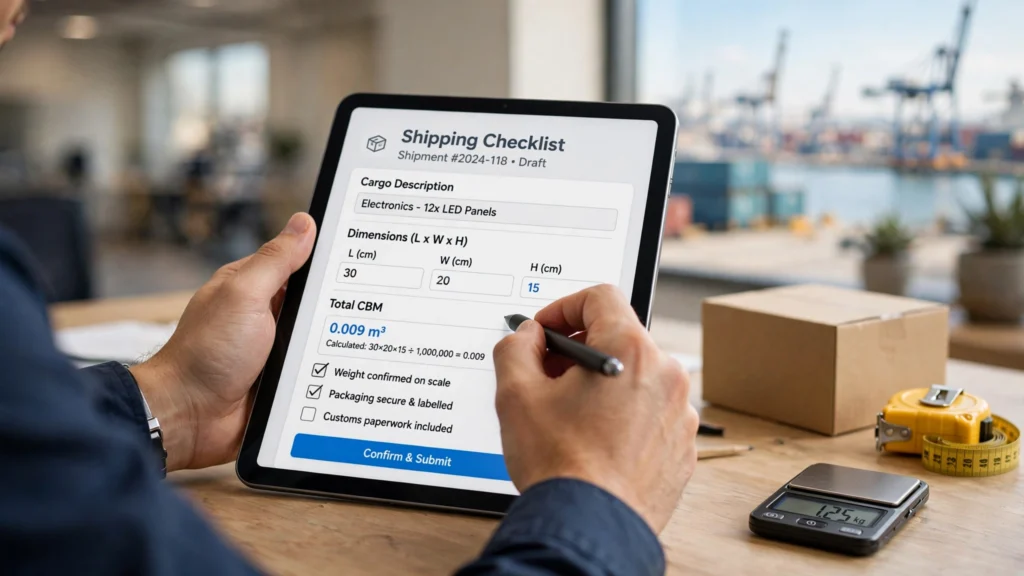
The Essential Cargo Checklist
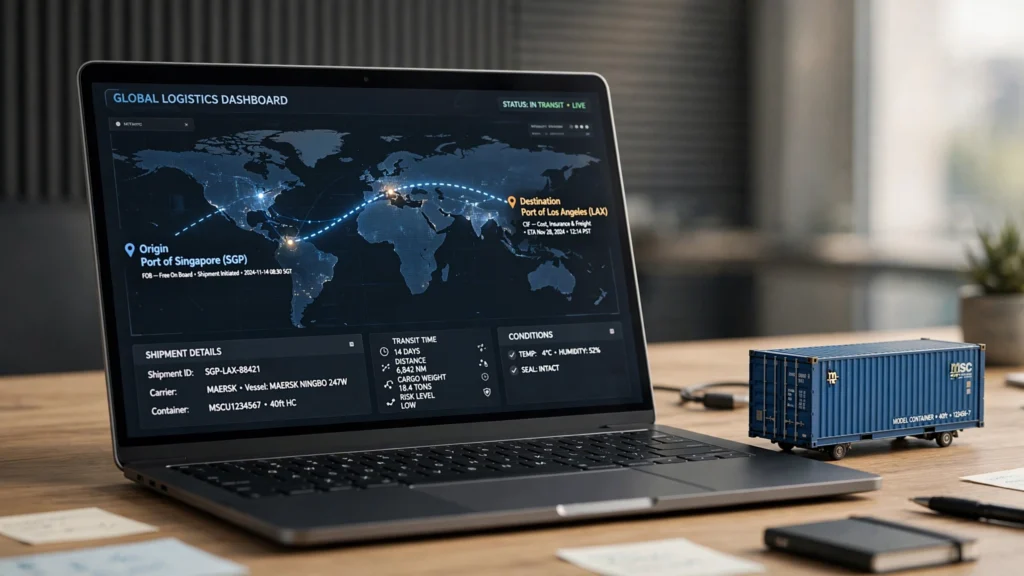
The Global Shipment Details (Origin, Destination & Incoterms)

Free Sea Freight Planning Tools

Before booking your shipment, you can use VSN Logistics tools to estimate your requirements.

Request/check available freight pricing.

Estimate your cargo volume.

Request/check available freight pricing.

Understand the expected transportation timeline.

Identify a suitable container option.

Convert shipment values between currencies.

Estimate applicable customs duty.

Research the appropriate HS classification.

FAQs - Frequently Asked Questions

Generally, sea freight is more economical for larger or less time-sensitive shipments, while air freight is typically chosen when speed is more important.

LCL stands for Less than Container Load. It allows cargo from different shippers to share container space. 

FCL stands for Full Container Load. The shipment uses a dedicated container.

LCL pricing commonly depends on cargo volume and applicable origin, destination and handling charges. The exact calculation varies by shipment and service.

Transit time depends on the origin, destination, routing, shipping service, port conditions and other operational factors.

Documents vary by shipment, but commonly include the Commercial Invoice, Packing List and Bill of Lading, along with other documents where required.

Provide the cargo details, origin, destination, dimensions/CBM, weight and shipment terms so the freight requirement can be evaluated.
Explore Sea Freight Guides

Planning an Import Shipment?

Don't choose a freight option based on price alone. Understand your cargo, volume, route, transit time and total landed cost before booking.

VSN Logistics — Helping Importers Plan Better Shipments.