vsnlogistics.com

Table of Contents

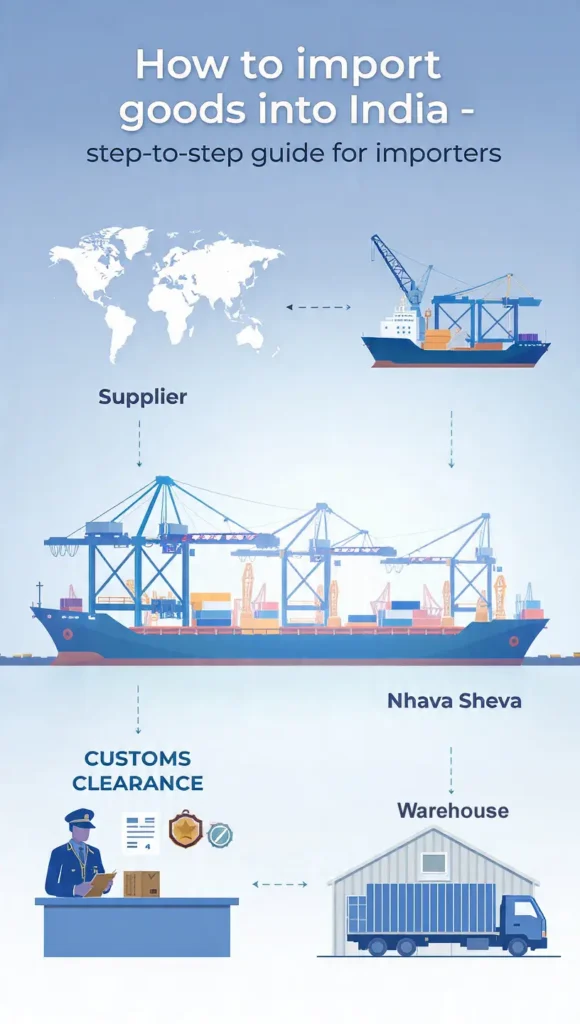
Step-by-step process of importing goods into India showing supplier, shipping, customs clearance, and final delivery logistics

How to Import Goods into India: Step-by-Step Guide for Importers

Introduction

International trade has become an essential part of modern business, allowing companies to source products, raw materials, and equipment from global suppliers. However, importing goods into India involves more than simply shipping cargo from one country to another. The process includes supplier coordination, shipping arrangements, customs procedures, regulatory compliance, and final delivery logistics.

For new importers, the process may appear complex due to documentation requirements, duty calculations, and port procedures. Even experienced businesses can face delays or unexpected costs if the import process is not carefully managed.

This guide explains the import process in India step-by-step, helping businesses understand how goods move from the supplier to the final destination. By understanding each stage—from freight planning to customs clearance—importers can reduce risk, avoid costly mistakes, and improve supply chain efficiency.

How to Import Goods into India

Importing goods into India typically involves five key steps:

  1. Obtain an Importer Exporter Code (IEC).
  2. Finalize supplier agreement and shipment terms.
  3. Arrange freight transportation (air or sea).
  4. Complete customs clearance and duty payment.
  5. Transport goods from the port to the final warehouse.

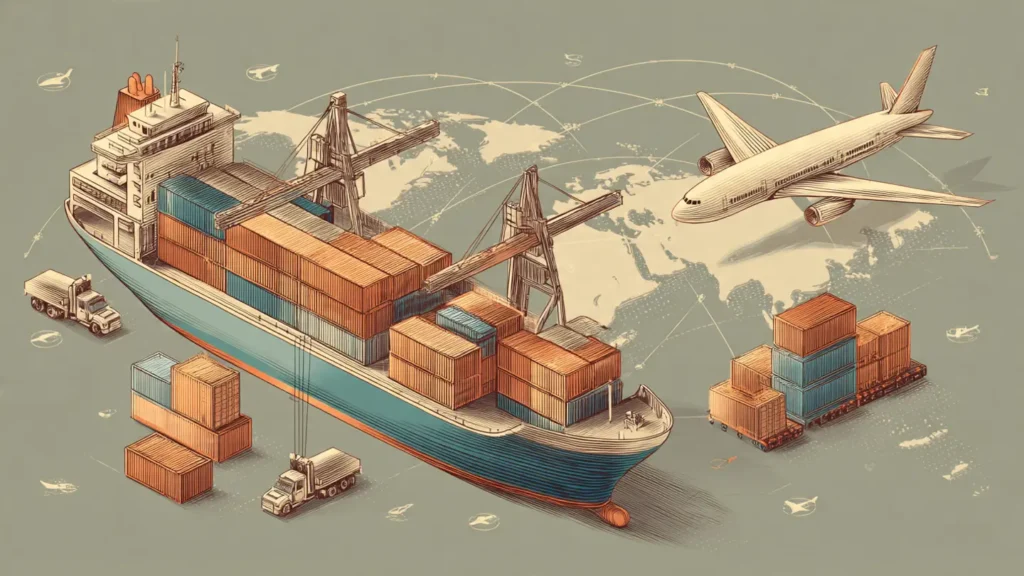
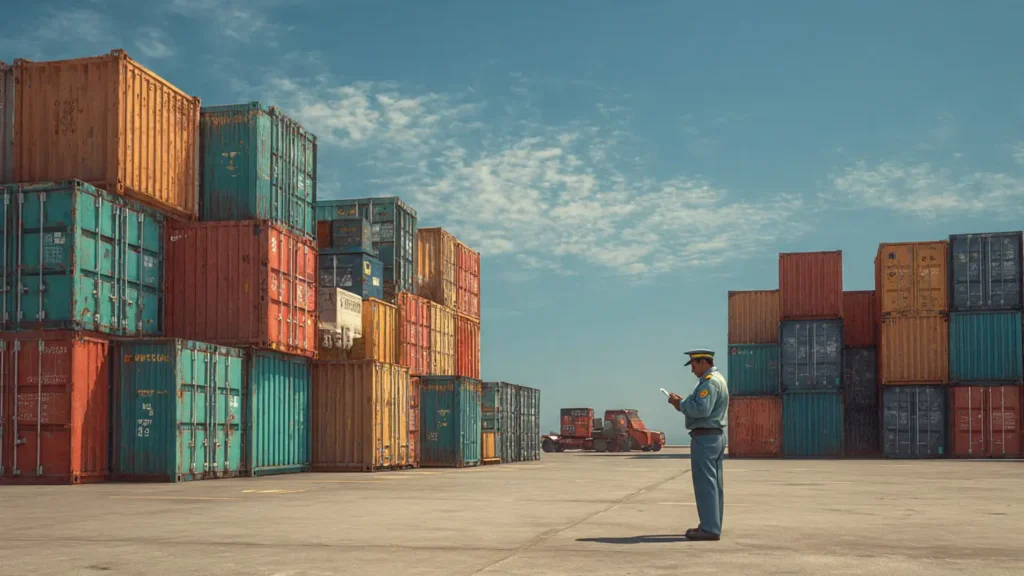
Importer Exporter Code registration and supplier agreement process for importing goods into India.
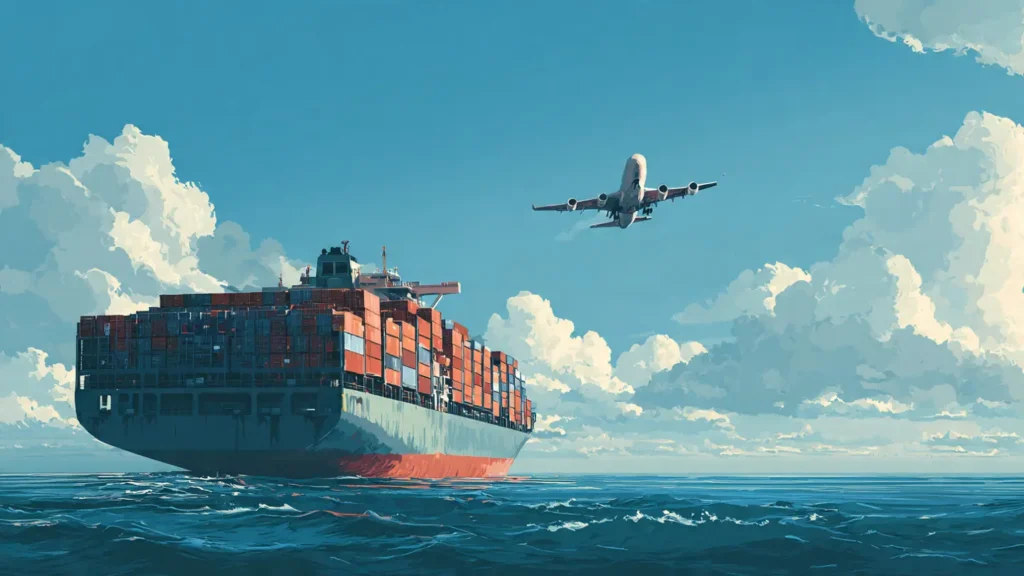
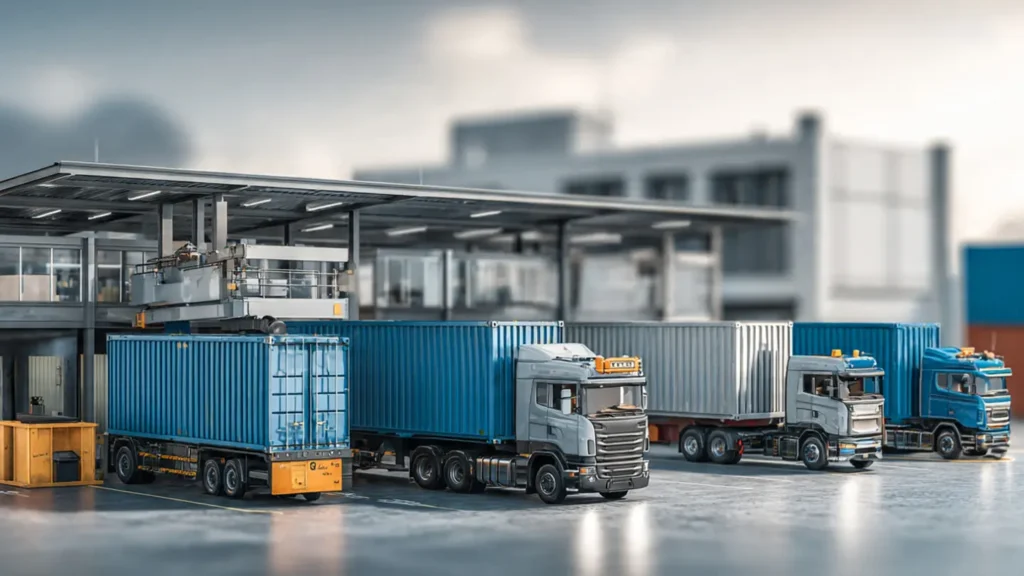
International freight transportation of goods to India via sea and air cargo
International freight transportation of goods to India via sea and air cargo.
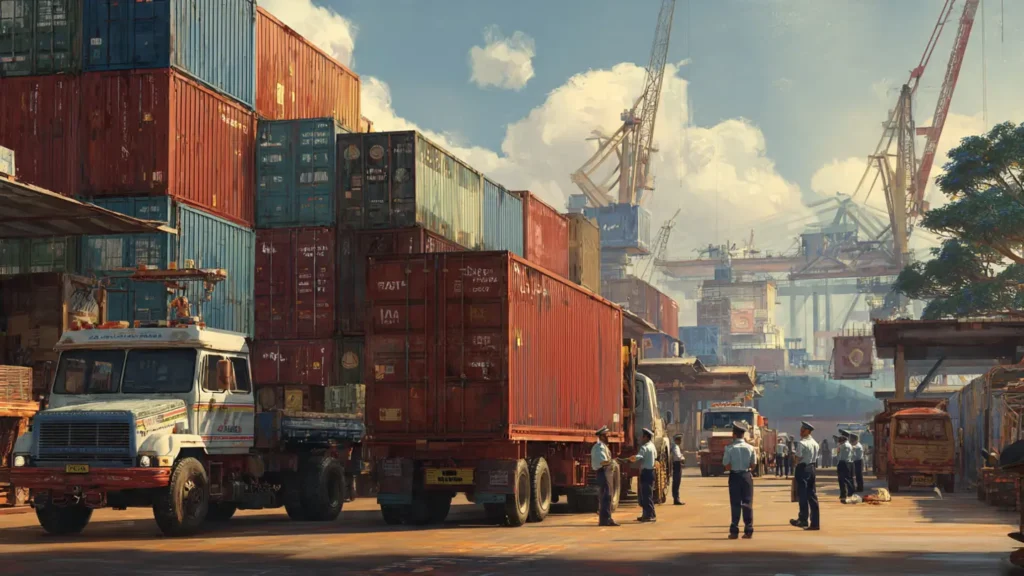
Customs clearance process and final delivery of imported goods from port to warehouse in India
Customs clearance process and final delivery of imported goods from port to warehouse in India.

Understanding the Import Process in India

Importing goods involves multiple stakeholders including suppliers, freight carriers, customs authorities, and logistics providers. Each participant plays a role in ensuring the shipment moves legally and efficiently. The process begins when a buyer confirms an order with an overseas supplier and ends when the cargo is delivered to the importer’s warehouse.

Typical Import Flow

Stage Description
Supplier Dispatch Goods prepared and packed by exporter
Freight Booking Shipment arranged via air or sea
International Transport Cargo transported to India
Customs Clearance Duties assessed and documents verified
Final Delivery Goods transported to importer warehouse

Understanding this sequence helps importers anticipate timelines and manage operational planning.

Step-by-Step Import Process in India

Step 1: Obtain an Importer Exporter Code (IEC)

An Importer Exporter Code is issued by the Directorate General of Foreign Trade (DGFT). This identification number is mandatory for businesses importing goods into India. Without an IEC, customs authorities will not allow goods to be cleared. The application process usually involves submitting company details, bank information, and identity verification.

Step 2: Supplier Agreement and Incoterms

Before shipping begins, the buyer and supplier agree on commercial terms. These terms often include Incoterms, which define responsibilities for freight costs, insurance, and delivery points.

Common Incoterms

Common Incoterms include:

Incoterm Meaning
FOB Supplier delivers cargo to port
CIF Supplier pays freight and insurance
EXW Buyer responsible for full logistics

Understanding Incoterms ensures both parties clearly understand who manages shipping responsibilities.

Step 3: Freight Booking

Once goods are ready for dispatch, transportation must be arranged from the supplier’s location to India.

Importers generally choose between air freight or sea freight, depending on urgency, cargo size, and budget.

The freight booking stage includes:
  • Cargo pickup from supplier
  • Transport to export port
  • Shipment booking with carrier,
  • Issuance of transport documents

Step 4: International Cargo Transportation

After departure, cargo travels via sea vessel or aircraft to the destination port or airport in India. Transit time varies depending on shipping mode and origin country.

Example Transit Times

Shipping transit time varies depending on the transport method and region.

Shipping Mode Typical Transit Time
Air Freight 3–7 days
Sea Freight (Asia) 10–20 days
Sea Freight (Europe) 25–40 days

Transit times may vary based on weather conditions, port congestion, and shipping schedules.

Step 5: Customs Clearance in India

Once the shipment arrives in India, customs clearance procedures begin. Customs authorities verify the shipment’s documentation, product classification, and declared value before allowing goods to enter the country.

The clearance process typically includes:

  • Filing the Bill of Entry
  • Duty and tax calculation
  • Document verification
  • Possible cargo inspection

After duties are paid and compliance checks completed, customs releases the shipment.

Step 6: Final Delivery

After customs clearance, cargo is transported from the port or airport to the importer’s warehouse. Local transport arrangements may include trucking or container transport depending on cargo type and destination.

Importer Exporter Code registration process in India showing application and approval steps.
Importer Exporter Code registration and supplier agreement process for importing goods into India.
Supplier agreement and Incoterms explanation for international trade including FOB, CIF, and EXW.
Freight booking process including cargo pickup, transport to port, and shipment scheduling
Freight booking process including cargo pickup, transport to port, and shipment scheduling.
International cargo transportation to India via sea and air showing global shipping routes.
Importer Exporter Code registration and supplier agreement process for importing goods into India.
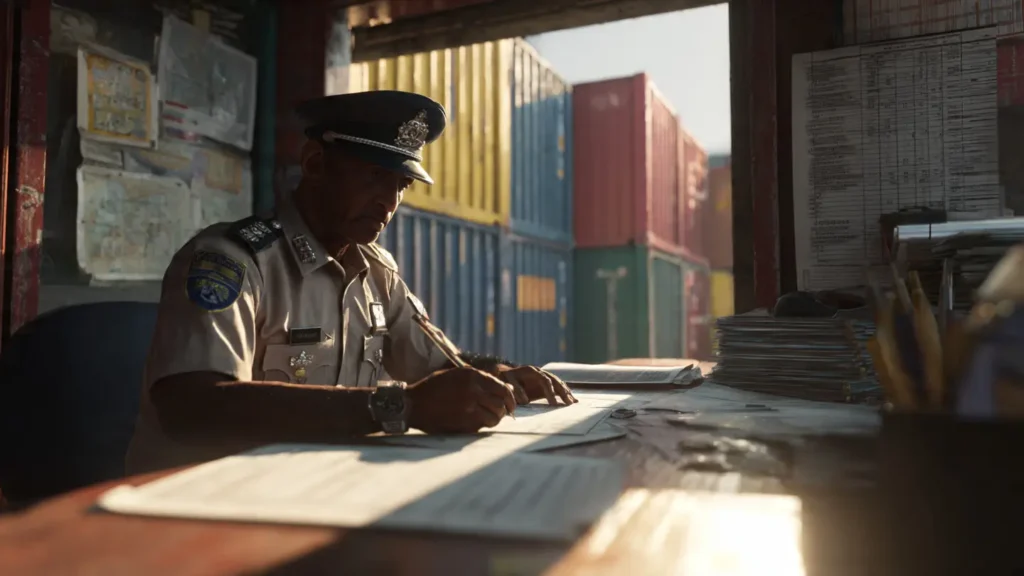
Customs officer checking cargo and documents at an Indian port.
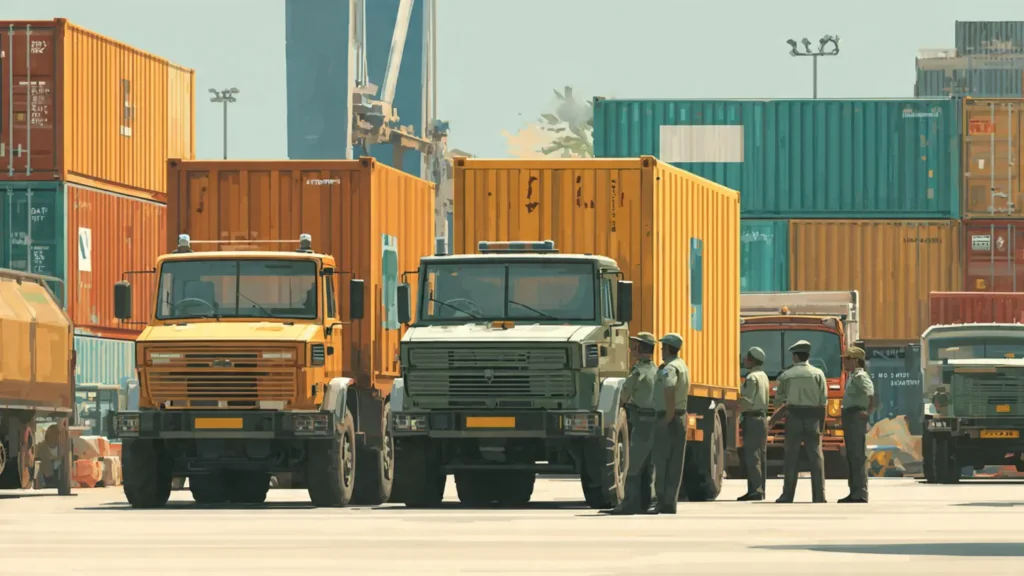
Final delivery of imported goods from port to warehouse using trucks and logistics transport

Key Documents Required for Import into India

After customs clearance, cargo is transported from the port or airport to the importer’s warehouse. Local transport arrangements may include trucking or container transport depending on cargo type and destination.

Key Import Documentation

The following documents are typically required during the import process.

Document Purpose
Commercial Invoice Shows product details and transaction value
Packing List Describes packaging structure and quantity
Bill of Lading / Airway Bill Confirms transportation of cargo
Importer Exporter Code Identifies importer
GST Registration Required for tax compliance
Product Certificates Needed for regulated goods

The exact documentation requirements may vary depending on product type and regulatory conditions.

Understanding HS Code and Import Duties

Every product imported into India is classified using an HS Code (Harmonized System Code).

This classification determines:

  • Basic customs duty
  • Social welfare surcharge
  • Integrated GST (IGST)
  • Regulatory requirements

Example Duty Calculation

The following example illustrates how import duty may be calculated.

Component Example Value
Product Value ₹1,00,000
Basic Customs Duty (10%) ₹10,000
Social Welfare Surcharge ₹1,000
IGST (18%) ₹19,980
Estimated Landed Cost ₹1,30,980

Actual duty rates depend on product classification and government notifications.

Freight Options for Importing Goods into India

Choosing the correct freight method depends on shipment urgency, cargo volume, and budget considerations.

Air Freight

    Advantages:

  • Fast delivery
  • Suitable for urgent shipments
  • Ideal for high-value or lightweight goods
  • Disadvantages:

  • Higher cost compared to sea freight

Sea Freight

    Advantages:

  • Cost-effective for large shipments
  • Suitable for bulk cargo
  • Widely used for international trade

    Disadvantages:

  • Longer transit time

Customs Clearance Process Explained

Customs clearance ensures that imported goods comply with national regulations and duty obligations.

The main steps include:

  1. Filing the Bill of Entry
  2. Document review by customs officials
  3. Duty assessment
  4. Cargo examination (if required)
  5. Release order issued

Customs procedures may vary depending on product category, shipment value, and regulatory requirements.

Customs officer reviewing import documents and processing clearance at an Indian port.
Customs inspection and release of imported cargo at an Indian port with trucks ready for delivery

Common Challenges Importers Face

Importers often encounter several operational challenges during the import process.

Common issues include:

  • Incorrect HS code classification
  • Missing documentation
  • Delays due to cargo inspections
  • Unexpected duty adjustments
  • Port congestion

Careful planning and accurate documentation help reduce these risks.

Tips for First-Time Importers

Businesses importing goods for the first time should consider the following best practices:

  • Verify supplier credibility
  • Confirm HS code classification before shipment
  • Plan for potential customs inspections
  • Calculate estimated landed cost before ordering
  • Maintain proper documentation records

Understanding these factors can help businesses manage their import operations more effectively.

FAQs – Import Goods into India

The total import timeline varies depending on shipping method, customs procedures, and port conditions. Typical shipments take between one and six weeks.

Yes. The IEC issued by the DGFT is required for businesses importing goods into India.

Yes. Customs authorities may conduct inspections to verify cargo details, product classification, or compliance with regulations.

No. Duty rates depend on product classification, government notifications, and trade agreements.

Conclusion

Importing goods into India involves multiple stages, including supplier coordination, shipping arrangements, customs clearance, and final delivery. While the process may appear complex, understanding the structure of international trade procedures helps businesses manage shipments more efficiently.

By preparing accurate documentation, selecting the appropriate freight method, and understanding customs regulations, importers can reduce delays and improve cost planning. A structured approach to importing supports smoother supply chain operations and allows businesses to take advantage of global sourcing opportunities

Get an instant freight quote

and duty estimate in minutes.