Table of Contents

Import Process in India with a Freight Forwarder

Import Process in India with a Freight Forwarder:

Step-by-Step Guide,

Introduction

Importing goods into India involves far more than just shipping cargo from one country to another. From supplier coordination and freight booking to customs clearance, duty assessment, and final delivery, the import process requires careful planning, compliance, and execution. This guide explains the import process in India with a freight forwarder, breaking it down into clear, practical steps. Whether you are a first-time importer, SME, e-commerce seller, or enterprise, understanding this process helps reduce delays, avoid penalties, and control landed costs.

What Is a Freight Forwarder’s Role

in the Import Process?

A freight forwarder acts as a logistics coordinator, not a government authority or carrier. Their role is to organize and manage the movement of goods while ensuring documentation, routing, and compliance are handled correctly.

A freight forwarder typically assists with:

  • Freight planning (air or sea)
  • Supplier coordination
  • Documentation handling
  • Customs clearance support
  • Port and terminal coordination
  • Final delivery arrangements

They do not control customs decisions, duty assessments, or inspections, which remain under Indian government authorities.

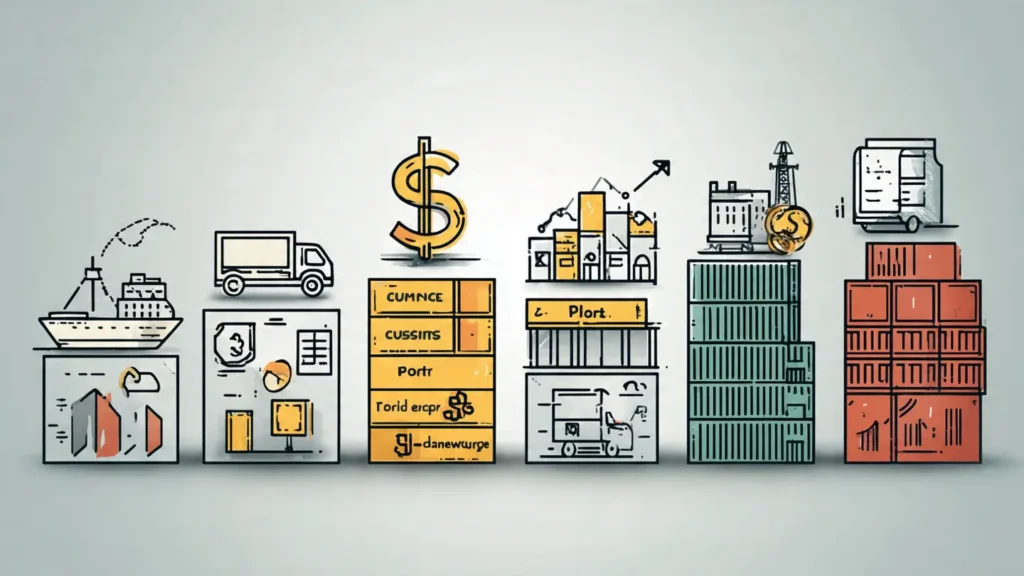
Import process in India with a freight forwarder explained step by step
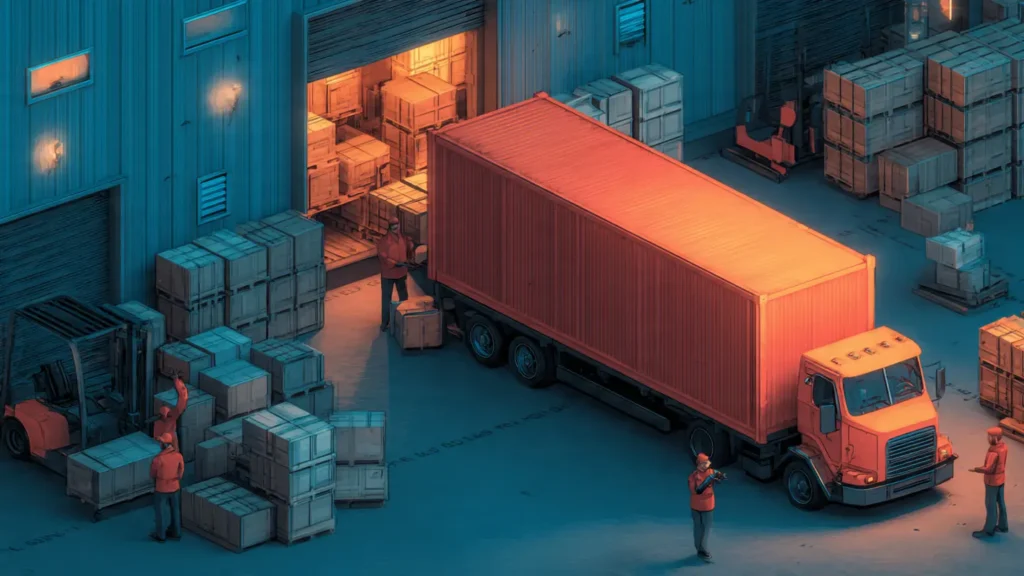
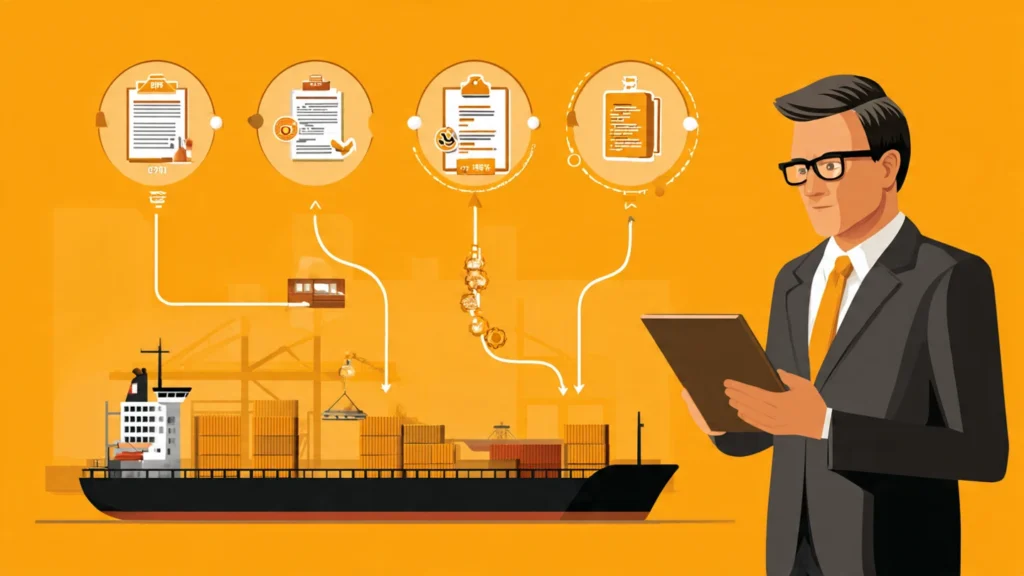
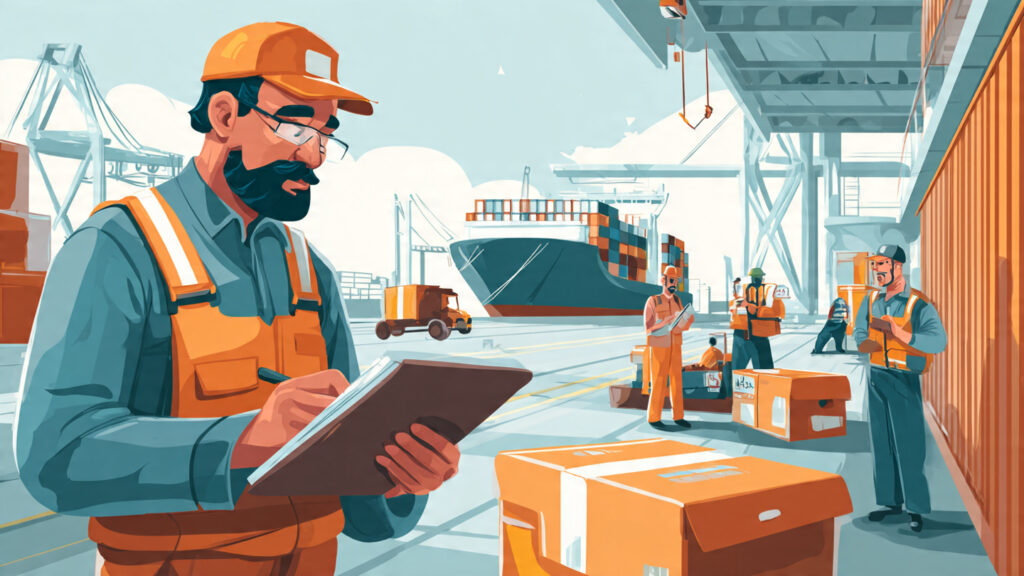
Supplier pickup and international shipping stage in India import process
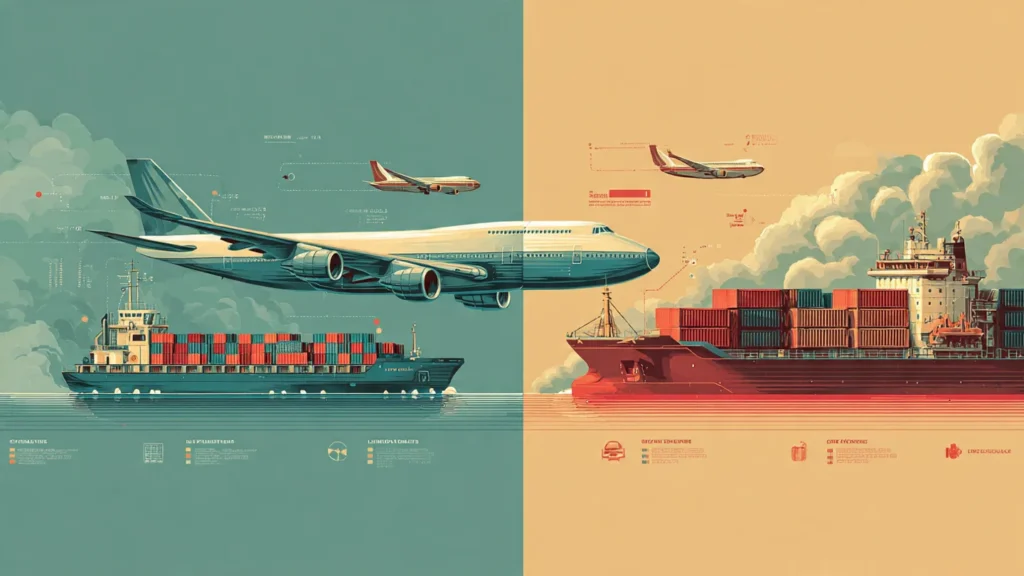
Air freight and sea freight options for importing goods into India
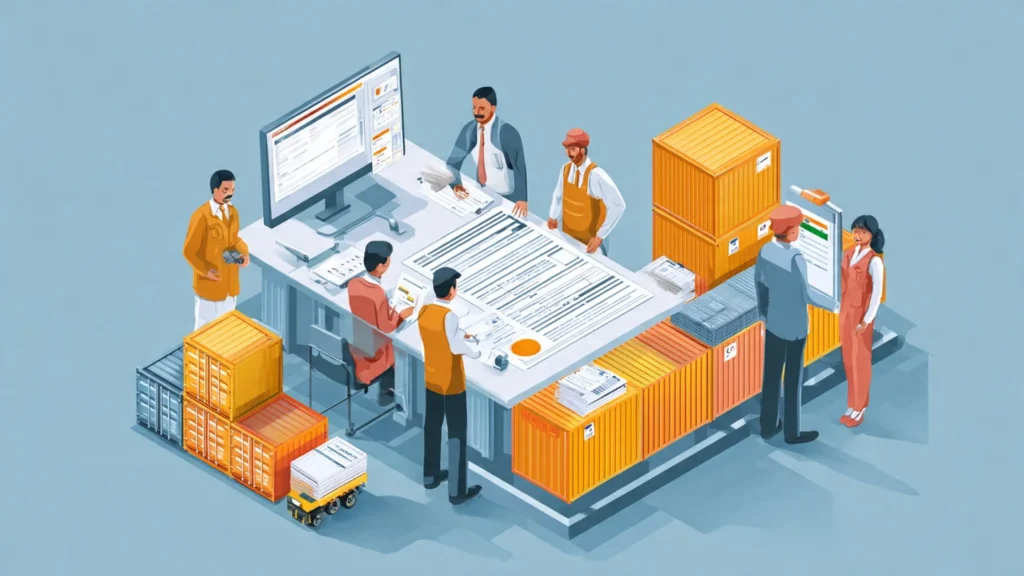
Customs clearance and documentation process in Indian imports
Import duty assessment and compliance review handled during India import process
Final delivery stage in door to door import logistics in India

Step-by-Step Import Process in India

with a Freight Forwarder

Step 1 – Sharing Shipment Details

The import process begins when the importer shares shipment information with the freight forwarder, including:

  • Country of origin
  • Destination port or city in India
  • Cargo description
  • Weight and dimensions
  • Estimated CBM
  • Preferred shipping mode (air or sea)
  • HS/HSN code (if available)

Accurate information at this stage prevents rework and incorrect cost estimates later.

Step 2 – Freight Planning and Mode Selection

Based on the shipment profile, the freight forwarder recommends:

  • Air freight for urgent or high-value cargo
  • Sea freight (LCL/FCL) for bulk or cost-sensitive shipments

Planning considers:

  • Transit time
  • Cost efficiency
  • Cargo nature
  • Packaging requirements
  • Carrier availability

Step 3 – Freight Quotation and Cost Visibility

The freight forwarder provides a provisional cost estimate, typically including:

  • Freight charges
  • Origin handling
  • Destination handling
  • Documentation fees
  • Delivery charges (if door-to-door)

These are estimates, not final customs-assessed values.

Step 4 – Supplier Pickup and Packing Coordination

Once confirmed:

  • Cargo is picked up from the supplier or factory
  • Export-grade packing is verified
  • Container or pallet optimization is planned
  • Labels and marks are checked

Proper packing reduces damage risk and customs inspection delays.

Step 5 – Export Documentation at Origin

Key documents prepared include:

  • Commercial Invoice
  • Packing List
  • Bill of Lading / Airway Bill
  • Certificate of Origin (if applicable),
  • MSDS (for regulated cargo)

Any error at this stage can delay customs clearance in India.

Step 6 – International Freight Movement

Cargo moves via:

  • Air cargo terminals, or
  • Sea ports under LCL/FCL arrangements

The freight forwarder tracks:

  • Departure schedules
  • Transshipment points
  • Estimated arrival timelines

Step 7 – Arrival in India & Customs Filing

Upon arrival:

  • Import documents are filed
  • Bill of Entry is submitted
  • Customs assessment begins

Indian Customs authorities independently:

  • Verify HS classification
  • Assess value
  • Apply applicable duties and IGST
  • Decide inspection requirements

Freight forwarders cannot influence or guarantee customs outcomes.

Step 8 – Customs Clearance & Duty Payment

Customs may:

  • Clear shipment directly
  • Order examination
  • Request additional documents
  • Reassess declared values

Duty is calculated based on:

  • Assessable value
  • Applicable duty rates
  • Notifications
  • Exchange rates notified by CBIC

Step 9 – Cargo Release & Port Handling

After clearance:

  • Cargo is released from port/airport
  • Terminal handling is completed
  • Delivery is scheduled

Delays at this stage often result in:

  • Demurrage
  • Storage charges

Step 10 – Final Delivery to Warehouse
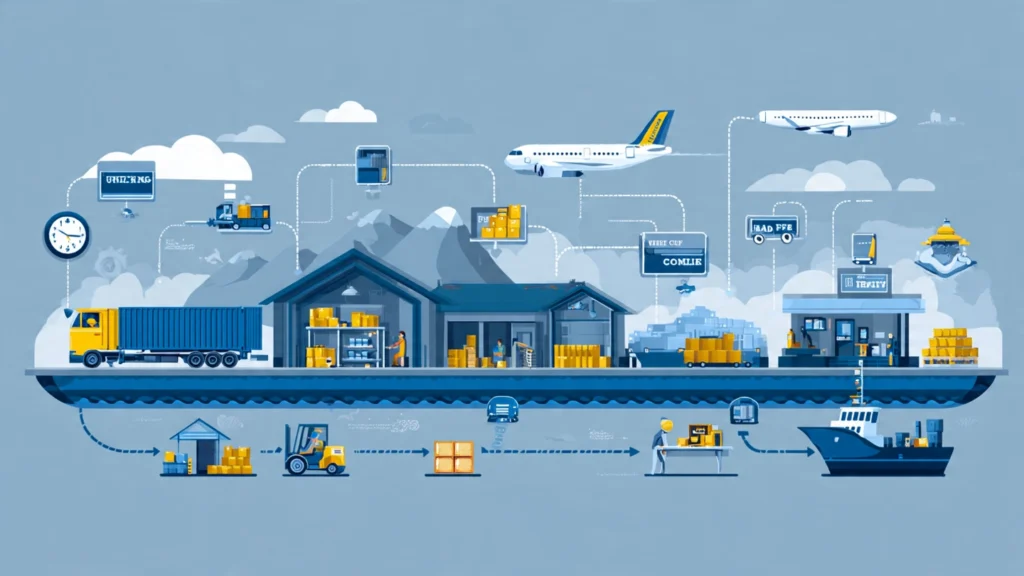
The final step includes:

  • Inland transport
  • Delivery to importer’s warehouse
  • Proof of delivery confirmation

At this point, the import cycle is complete.

Common Challenges in the Import Process

Importers often face:

  • Incorrect HS classification
  • Underestimated landed cost
  • Missing documentation
  • Unexpected inspections
  • Port congestion
  • Exchange-rate impact

A structured process reduces—but does not eliminate—these risks.

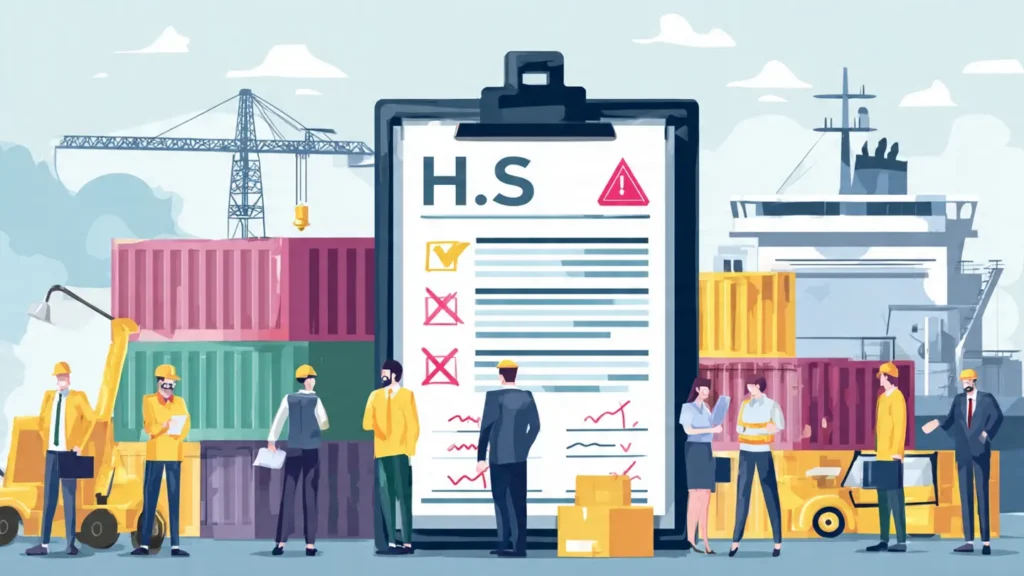
Incorrect HS code classification as a common import challenge in India
Underestimated landed cost risk during the import process in India
Missing documentation causing delays in Indian import shipments
Unexpected inspections as a common challenge in customs clearance
Port congestion causing shipment delays during imports to India
Exchange rate fluctuations impacting import shipment costs

Why Use a Freight Forwarder

for Imports into India?

Using a freight forwarder helps importers:

  • Navigate complex logistics
  • Reduce coordination burden
  • Improve shipment visibility
  • Avoid procedural mistakes
  • Manage compliance efficiently

However, responsibility for declarations and duty payment remains with the importer.

Navigating complex import logistics into India with the help of a freight forwarder
Avoiding procedural mistakes in the Indian import process with a freight forwarder
Efficient compliance management for imports into India through a freight forwarder

Import Process for First-Time Importers

First-time importers benefit from:

  • Step-by-step guidance
  • Documentation support
  • Incoterms clarity
  • Cost planning assistance
  • Compliance awareness

Understanding the process upfront avoids costly errors.

Incoterms clarity for first-time importers in India using a freight forwarder
Import cost planning assistance for first-time importers in India
Compliance awareness for first-time importers during the Indian import process

Key Documents Required for

Import into India

  • Commercial Invoice
  • Packing List
  • Bill of Lading / Airway Bill
  • Importer IEC
  • GST registration
  • Product-specific licenses (if required)

Requirements vary by product category.

Commercial invoice required for importing goods into India
Packing list document used in the Indian import process
Bill of lading and airway bill required for imports into India
Importer Exporter Code IEC required for import into India
GST registration required for import customs clearance in India
Product-specific import licenses required for customs clearance in India

Important Compliance Notes

  • Customs assessments are case-specific
  • Duty values are not fixed
  • Government notifications override estimates
  • Final decisions rest with authorities

Customs assessment in India is conducted on a case-by-case basis
Import duty values in India are variable and not fixed
Government customs notifications override estimated duty calculations
Final customs decisions are made by Indian authorities

Import Process Timeline (Indicative)

Stage Approx Time
Supplier Pickup 1–3 days
Air Freight 3–7 days
Sea Freight 20–45 days
Customs Clearance 2–7 days
Final Delivery 1–3 days

⚠️ Note: Timelines vary based on cargo type, port congestion, carrier schedules, and regulatory review.

Frequently Asked Questions (FAQs)

Import Process in India with a Freight Forwarder

No, customs decisions are made solely by government authorities.

No, duties are assessed by customs at the time of clearance.

Yes, but clearance and inspections can still affect timelines.

Yes, through LCL or consolidated air cargo services.

Final Thoughts

Understanding the import process in India with a freight forwarder helps importers plan better, reduce uncertainty, and improve operational control. While freight forwarders streamline logistics, compliance and customs authority decisions remain outside anyone’s control. A well-informed importer is always better positioned for smooth trade execution.

This content is for informational purposes only. Import duties, customs assessments, and regulatory decisions are subject to government authorities and applicable notifications at the time of clearance.

Disclaimer

This content is provided for general informational purposes only. Freight charges, transit times, customs duties, and landed costs are subject to change based on government notifications, carrier policies, cargo characteristics, and customs assessment per actual receipt. Readers should consult licensed professionals and official government sources before making commercial decisions. External links are provided for reference only. VSN Logistics does not control or endorse third-party content.